
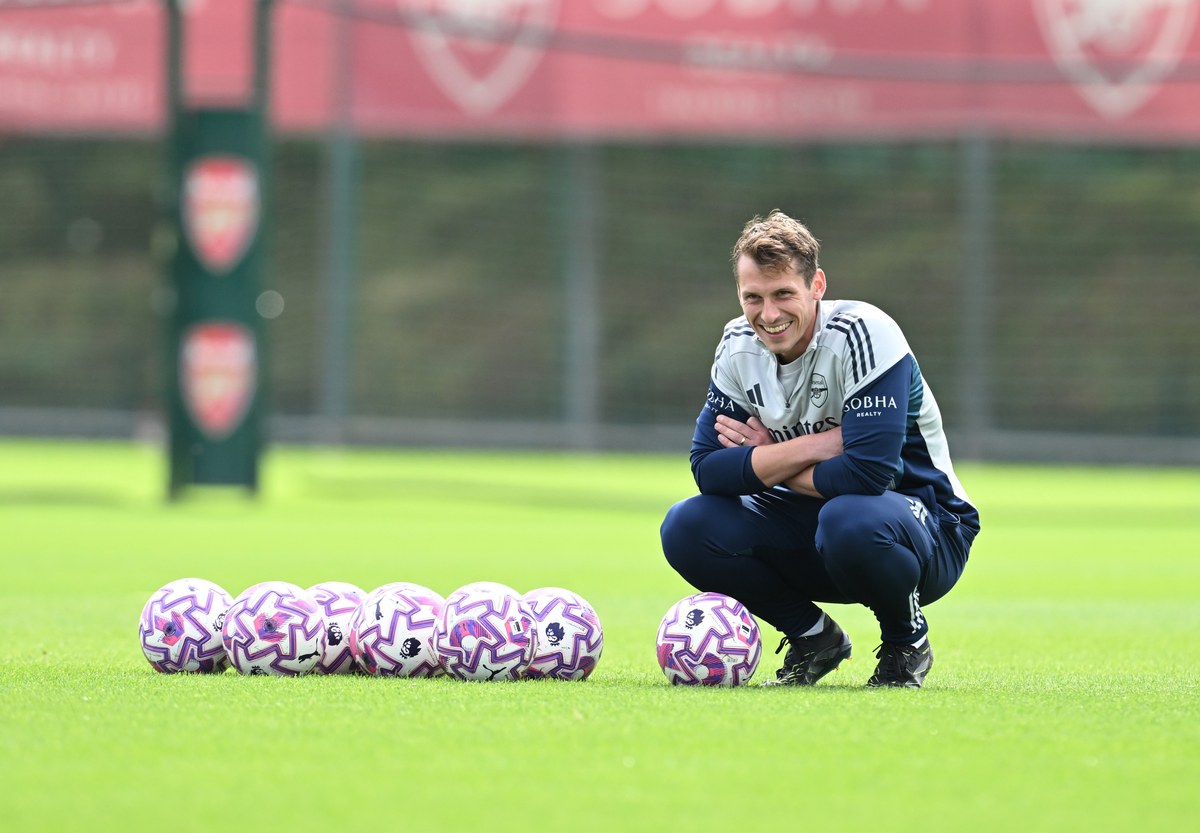
 By Dr. Tom Allen
On this page
Executive summary
Working alongside different managers, coaches and practitioners in professional football has shaped how I think about preparing a team. There is considerable expertise available, and each person brings a useful perspective. The challenge is connecting those perspectives around the football the manager wants the team to play.
This connection starts before the session is designed. We need to understand what we are preparing players to do, how it relates to their roles and what the coming week allows us to practise. Clarity from the management team helps staff understand how their work contributes to the performance we want to see on the pitch.
A game model gives those daily decisions a shared direction. How do we want the team to play, and what does that require from each player?
Make the intention clear enough to practise
A manager might want the team to press aggressively, play through pressure or attack space behind the opposition. Each intention needs further discussion. Where should the press begin? What tells a player to move? Who provides cover? What should happen if the first action is unsuccessful?
Those conversations matter for performance staff as much as they do for coaches. The physical demands we are helping players prepare for sit within those football decisions. A recovery run has a purpose, a starting position and a moment when the player needs to recognise that it is required. Understanding those details gives us a more useful starting point for preparation.
Staff need to explain the priority using language that makes sense to the players and is consistent with the coaching message. Different specialists will need different levels of detail, but the central message should remain recognisable as it moves from the planning meeting onto the pitch.
Connect the session around the behaviour
Consider a coaching group working on the team’s response after losing possession in an attacking area. The priority is deciding whether players should try to regain the ball or recover into the required defensive position, and how the players around them support that decision.
Coaches and performance staff can design the practice together, considering the spaces, starting positions, opposition and opportunities for those decisions to occur. They can also agree how long the practice runs, how often players repeat it and how the demands fit within the wider session.
We then need to watch what happens during the practice. Are players recognising the intended moment? Are the supporting players in appropriate positions? Does the practice allow the recovery runs we expected, or do its rules stop play before those runs can happen?
That final question is easy to overlook. A practice can have a clear explanation and still need adjusting once players begin. Staff need to be comfortable recognising when the design is producing something different from what was intended, discussing it and making an adjustment during the session. Experience helps you recognise these moments and judge what needs changing.
Physical information should contribute to that review, alongside observation and the players’ understanding. Completing a running target does not tell us whether the football objective has been achieved. The metric needs to help us understand whether we are preparing players for the desired football outcome.
Train the habit, adapt the physical requirement
A week with time between matches offers different possibilities from one involving successive games and travel. Players within that week will also have different recent experiences. Some have played substantial minutes, while others need further work.
I find it useful to begin with the most important football behaviours we want to prepare, then discuss where they can realistically sit. What needs time on the pitch? What can be clarified through conversation or video? Who needs additional practice, and who needs an adjustment?
The technical and tactical intention gives that discussion its starting point. We can then consider how the format, space, duration and repetitions support the behaviour while providing an appropriate physical demand.
During a congested period, that prioritisation becomes particularly important. There may be less opportunity for extensive physical work, but players still need to understand and rehearse what matters in the next match. We may adapt the physical requirement while continuing to practise the decisions and habits the team needs.
The route through the week can change while staff continue working towards the same football intention.
Review what players take into the match
The match gives staff another opportunity to examine the plan. We can look for the situations we prepared, consider how players responded and ask what needs further attention. The result provides important context, although a single result cannot explain whether every part of the preparation was appropriate.
A useful review connects the original intention, what happened in training and what appeared in the game. It also gives players space to explain what they recognised and where they were uncertain. That conversation helps determine what deserves time in the next training week.
I would encourage a staff group to revisit four questions:
- Shared language: Can we explain this week’s football priority in terms the players understand?
- Developing habits: Where does our practice give players opportunities to recognise the situation and carry out the intended behaviour?
- Individual preparation: How have the schedule, playing exposure and individual circumstances influenced our decisions?
- Review: What will we look for in training and matches to decide whether our approach needs adjusting?
If your staff group is working through these questions, P1 ELEVEN can help you explore how your coaching and performance expertise connects around the team’s direction. A useful starting point is understanding where the message is clear already and where a more shared understanding would help.
Related Insights
From knowledge to practice: developing as a performance practitioner
Why technical knowledge, people skills and context matter when learning from others and developing as a performance practitioner.
Supporting the individual: performance starts with context
Understand your starting point, the demands of your ambitions and the people who can help you close the gap through clear priorities, commitment and review.

Leading transformation: turning direction into lasting change
Consistent direction, adaptable methods, constructive challenge and the evidence that helps people trust a transformation.