
 By Dr. Tom Allen
On this page
On this page
- Executive summary
- Learning from people who have been there
- Managing people and learning from other leaders
- Preparing conversations where the reaction might be difficult
- Understanding how to work with senior decision-makers
- Using experience when the pressure is on
- Testing an unfamiliar idea in sports science
- Finding the right person to speak to
- Developing judgement rather than borrowing an answer
- Key learnings
- Taking the next step
Executive summary
I have used mentors throughout my career. When I have faced a situation that was new to me, or one where the consequences of getting it wrong were significant, I have wanted to learn from people who have dealt with something similar before. I wanted to know what I might not have considered, where I could be caught out and what their experience could teach me. The aim was to give myself a better chance of making a good decision.
That has included managing staff, working with board members, preparing difficult conversations, dealing with pressure and looking at new ideas in sports science. Technical knowledge was important in all these situations, but it was rarely enough on its own. There were people and organisational factors to consider as well.
A mentor brings experience you have not yet gained. You listen, question their reasoning and decide how it applies to your circumstances. You still have to make the decision, do the work and learn from the outcome.
Learning from people who have been there
Across my time working in professional football, I have regularly turned to people whose experience I respect. Some understood the technical side of performance, while others had worked through management or organisational situations that I had not encountered before.
I wanted to learn what they had done in a similar position, what worked, what went wrong and what they would approach differently.
Those conversations helped me think about parts of a situation I might otherwise have missed. Nobody wants to make a decision and then discover that there was an obvious issue they had not considered. I have always seen value in using other people's experience to reduce that risk and give myself a better chance of getting the decision right.
The questions changed as my career progressed. Early on, they centred on technical work. Later, taking responsibility for staff and decisions brought people, relationships and competing priorities into the discussion.
I still seek advice because I know that my own experience has limits. Working in a demanding environment for a long time gives you useful knowledge, but it can also make certain ways of thinking familiar. Someone with a different background may recognise something that you have accepted as normal.
Managing people and learning from other leaders
Managing staff is one of the areas where I have used mentors. You make decisions about expectations, development and feedback. Those decisions affect the individual and the wider team.
I have wanted to learn how other leaders handled situations that resembled the ones I was facing. How did they deal with a member of staff who needed more support? How did they set expectations when a role was changing? What did they do when someone disagreed with the direction? What mistakes did they make when they were taking on greater responsibility themselves?
The detail of those experiences matters. An approach that worked with one person may not work with another whose experience, confidence or support is different.
Managing people also means examining your own part in a problem. If someone is not meeting an expectation, have I made the expectation clear? Have they had the opportunity and support to deliver it? Have I checked that we both understand the same thing? There may still be a difficult conversation to have, but I want to make that decision knowing I have considered my contribution as well.
An experienced mentor can tell you what they missed in a similar situation. That is often the part I am most interested in. The mistakes people have made can be as useful to learn from as their successes, particularly when they can explain why they made the decision they did.
Preparing conversations where the reaction might be difficult
There have been times when I needed to speak to someone and expected the conversation could go badly. I might have had to challenge a decision, raise a concern or discuss something the other person was unlikely to welcome. I have spoken to mentors before those conversations because I wanted to go in prepared.
That preparation was about learning from how they had handled similar conversations. What had they found made the situation worse? What had helped them get the message across? Had they ever entered a conversation convinced they understood the other person's response, only to find that they had missed something important?
You can prepare your message but cannot decide how someone will respond. Being focused on your argument can stop you hearing their position. I want the purpose to be clear and to make space for their response.
A mentor can challenge how you are planning to approach it. Your message might be too vague, or you might be making an assumption about the other person. There may be a better time or a more appropriate way to raise the issue. I would rather have those possibilities challenged beforehand than realise afterwards that I could have dealt with the situation better.
The conversation remains my responsibility. I have to decide what is appropriate, deliver the message and deal with the response. Mentorship has been useful because it gives me the benefit of somebody else's learning before I take that step.
Understanding how to work with senior decision-makers
My role has also involved working with board members and people making decisions beyond the performance department. I have sought guidance on how best to interact with them and present information that was important to the work we were doing.
You may know the data and technical background in detail, while a board member is balancing several other priorities.
I wanted to learn from people who had been in those discussions. How did they prepare? What did they make sure the decision-maker understood? What were the questions they had failed to anticipate? What was the best way to explain the consequences of an option without getting lost in technical detail?
Those questions matter because the quality of your work can be undermined if you cannot communicate why it deserves attention. The other person does not need to become a sports scientist. They need enough information and context to make the decision they are responsible for, including any risks and trade-offs.
In my doctorate I explored a related issue: physical data only becomes useful when we understand the football actions and decisions behind it. The same principle applies when communicating with senior leaders. Having more information is not the same as providing better information. You have to work out what the audience needs to know and why.
A mentor with experience of organisational leadership may be more useful in that conversation than someone who works in the same technical discipline. I have learned from people outside my discipline as well.
Using experience when the pressure is on
Professional football brings periods where decisions have to be made quickly and the pressure around them increases. I have used mentors when facing difficult situations because I wanted to learn how others dealt with periods of pressure and also prevent myself from missing something.
Pressure can narrow your thinking. You may focus on the problem directly in front of you, especially when others want an immediate answer. I want to make sure I have not missed something that could change the decision or have an effect elsewhere in the organisation.
Hearing what someone else experienced can help with that. They may have dealt with a similar problem but discovered that the main issue was not the one everyone was discussing. They may have made a decision that looked sensible at the time and then had to deal with a consequence they had not anticipated. Those are useful lessons to hear before you make your own choice.
The circumstances will never be identical. I consider where their experience applies, question what does not and make the decision for my situation.
There will also be moments when you do not have time to speak to anybody. The benefit of regularly learning from mentors is that you have more experience to draw on when that happens. You will not avoid every mistake, but you can improve the reasoning behind the decisions you make.
Testing an unfamiliar idea in sports science
Another reason I have used mentors is to discuss the pros and cons of trying something new in sports science. Performance environments are continually exposed to different methods, technologies and research. Some may be worth exploring. Others may be interesting without offering enough value to justify changing what you do.
Before taking an idea forward, I have wanted to hear from people who had tried something similar or had experience of introducing change. What had they found? What difficulties had they underestimated? Were there practical considerations that did not appear in the research or the initial proposal? What would they want to establish before introducing it again?
I would ask what problem it solves, what decision it changes, what extra work it creates and what evidence would make us continue or stop.
Consider a hypothetical example of a performance team looking at an additional monitoring measure. The measure might be reliable, and the research supporting it might be sound. But if collecting it takes time and the results do not influence a decision, the value of introducing it is questionable. The group would need to agree what the measure is expected to contribute and how they will review its use.
I discuss these questions with people who have experience of implementing ideas in practice (not only in sport!). They may identify a more straightforward way of testing the proposal or an obstacle that had not occurred to me. That input can improve the proposal, or it might be a reason not to proceed.
A mentor’s experience can improve the questions we ask and the way we approach the decision.
Finding the right person to speak to
I don't believe you need one mentor who covers every part of your career. The person who can help you develop technical judgement may be different from the person who can share useful experience of leading staff or presenting to a board.
Start with the situation and the experience you need. An impressive title is less useful than relevant experience. Someone outside football may have dealt with the same problem.
You also need to be willing to hear an answer you disagree with. There is little point seeking guidance if you only want someone to say that your planned approach is right. I value people questioning my reasoning because it makes me examine the decision again. Sometimes I will change my view. At other times I will keep the original approach, but I want to know why I am doing that.
Give the mentor the context, the decision and the options you have considered. Protect confidential information about staff, players and the organisation.
Having the conversation is only one part of the process. If it raises something important, you need to decide what to do with it. What will you change? What do you still need to check? How will you know whether the decision was appropriate? There may be something to return to with the mentor after you have acted.
Developing judgement rather than borrowing an answer
What you learn stays with you. It can change what you notice the next time you manage someone, communicate a concern or consider a new idea.
I do not want to become dependent on someone being available every time a decision needs to be made. The aim is to improve my own judgement. Mentorship should give you the confidence to take responsibility because you have considered the options and understand the reasons behind your decision.
It is important to review the outcome. Was the advice right for the situation? Did I apply it well? What would I do differently next time?
The value of experience comes from examining it. Someone who has been through a situation can offer lessons that would take you much longer to gain on your own. You still need to understand why those lessons are relevant, rather than copy what they did without considering the circumstances.
Key learnings
Use people who have faced similar situations. Find someone with relevant experience of the decision in front of you. That experience may be technical, managerial or organisational.
Ask what could catch you out. Find out what they did, what they missed and what they would change if they faced the same situation again. The purpose is to identify problems before they become your problems.
Take the context into account. Their experience gives you another perspective. Check how the people, environment, responsibilities and consequences compare with your situation before following their advice.
Welcome challenge. If a mentor disagrees, understand their reasoning. You may not change your decision, but you should be able to explain why you are keeping it.
Keep ownership. The decision and its consequences still belong with the people responsible. Mentorship does not replace your manager, professional judgement or the proper approval process.
Do something with the discussion. Decide what action to take, what you need to observe and when you will review the result. That is where the learning develops.
Taking the next step
Before approaching a mentor, identify the decision and find someone who has faced something similar. Ask what they learned and what they would do differently.
I have continued to use mentors because there are always people who have experienced things I have not. Learning from them has been an important part of my development, both as a practitioner and when taking responsibility for others. I still have to decide what is right for the situation in front of me, but I would rather make that decision with the benefit of experience than be blindsided by something I could have anticipated.
P1 ELEVEN provides mentorship for sports-science and performance practitioners, tailored to their experience, responsibilities and what they want to improve. If that would be useful, you can start a conversation.
Related Insights

From the game model to the training week
How shared football intentions connect coaching, physical preparation and the training week, with practice and review shaped around the game model.
From knowledge to practice: developing as a performance practitioner
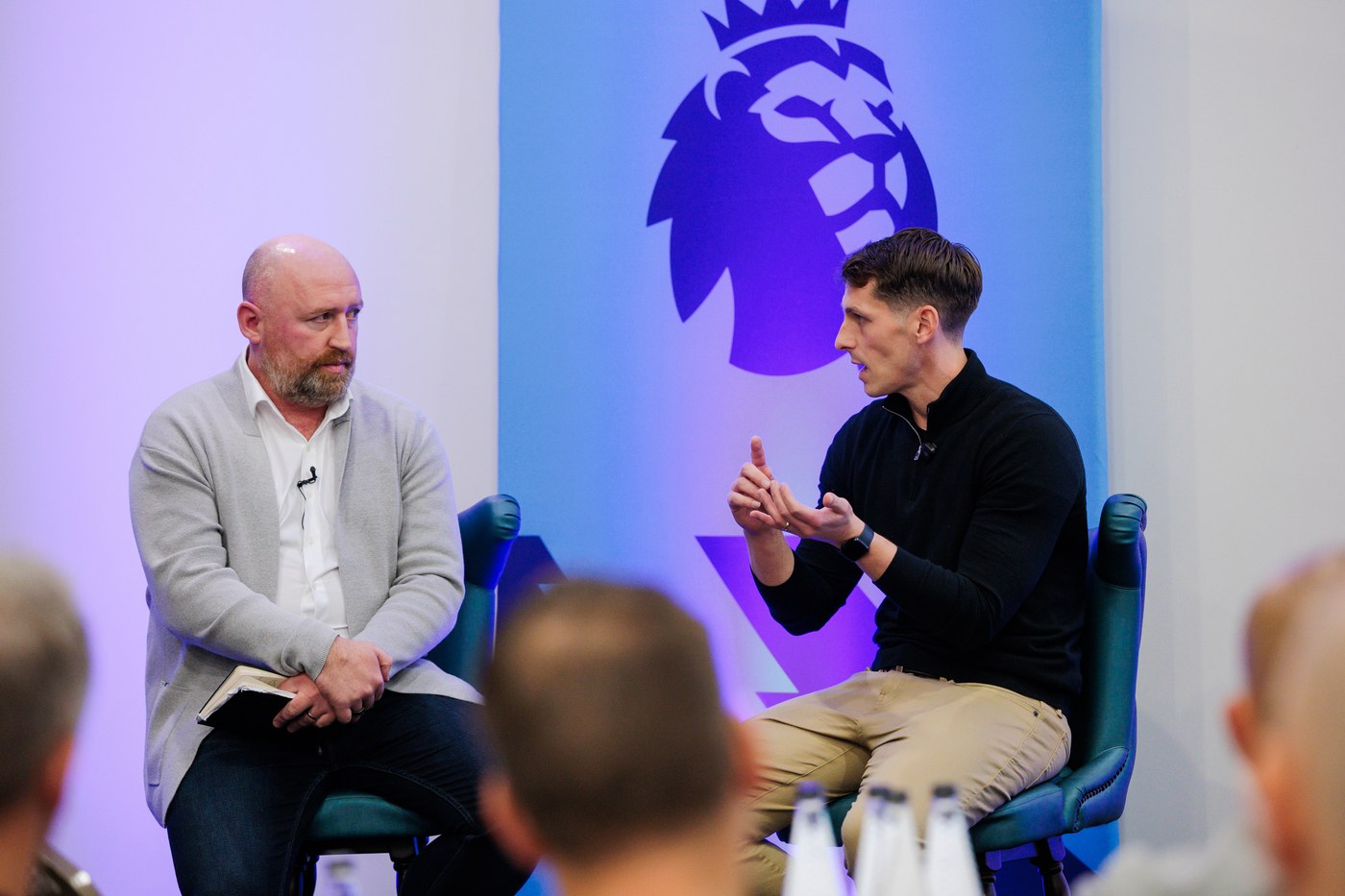
Why technical knowledge, people skills and context matter when learning from others and developing as a performance practitioner.
Supporting the individual: performance starts with context
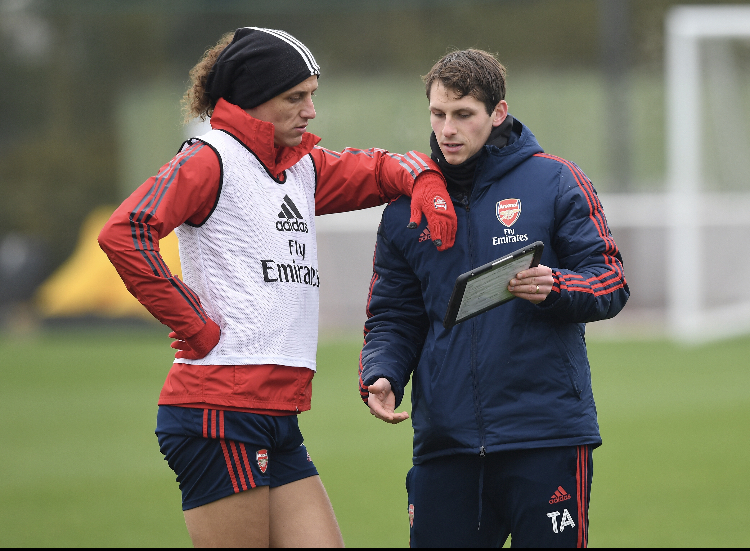
Understand your starting point, the demands of your ambitions and the people who can help you close the gap through clear priorities, commitment and review.